


Ireland Fellows | Africa
All you need to know about applications for Ireland Fellows Programme Africa
The aims of the programme are to nurture future leaders; to develop in-country capacity to achieve national Sustainable Development Goals and to build positive relationships with Ireland.
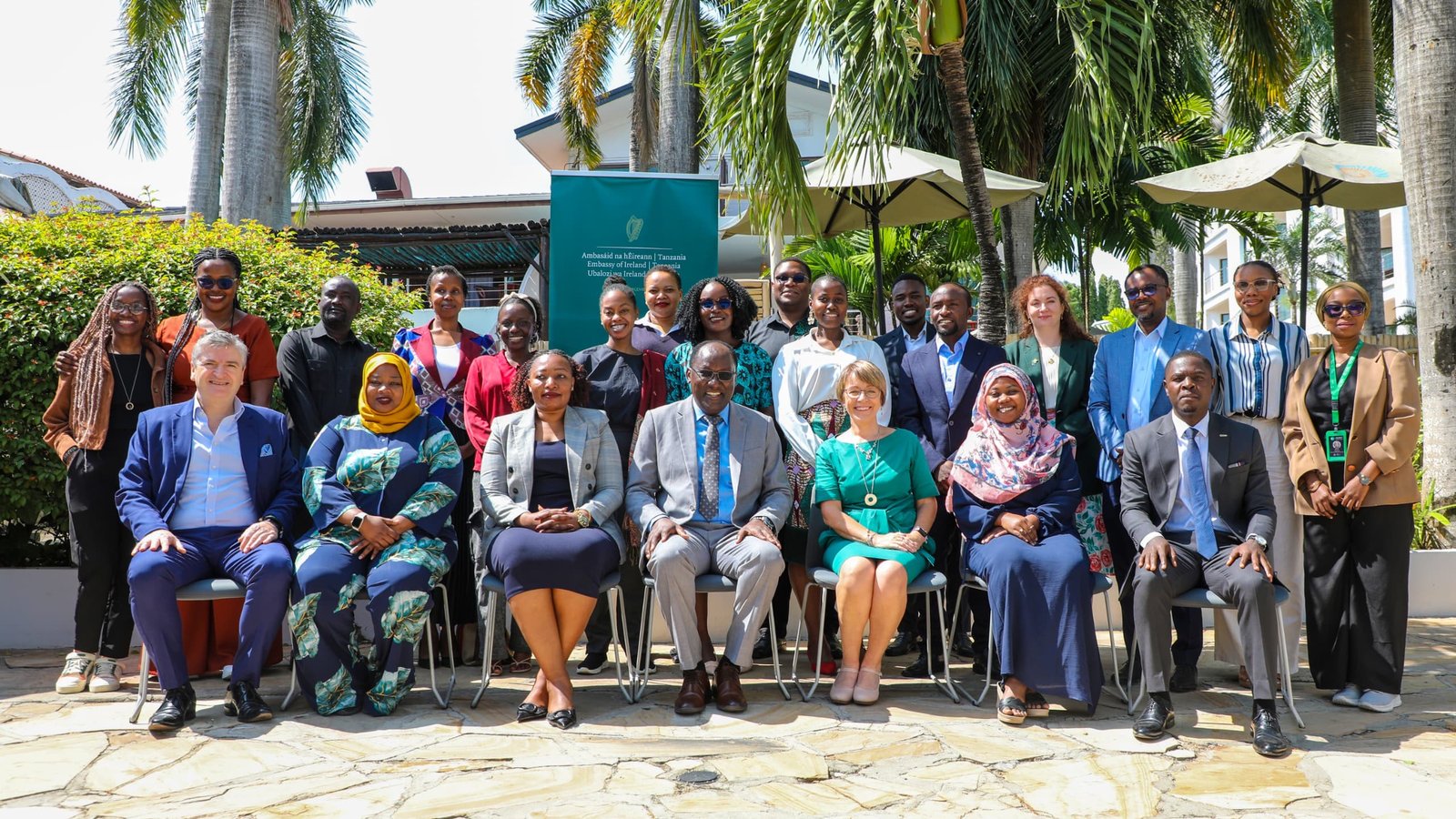
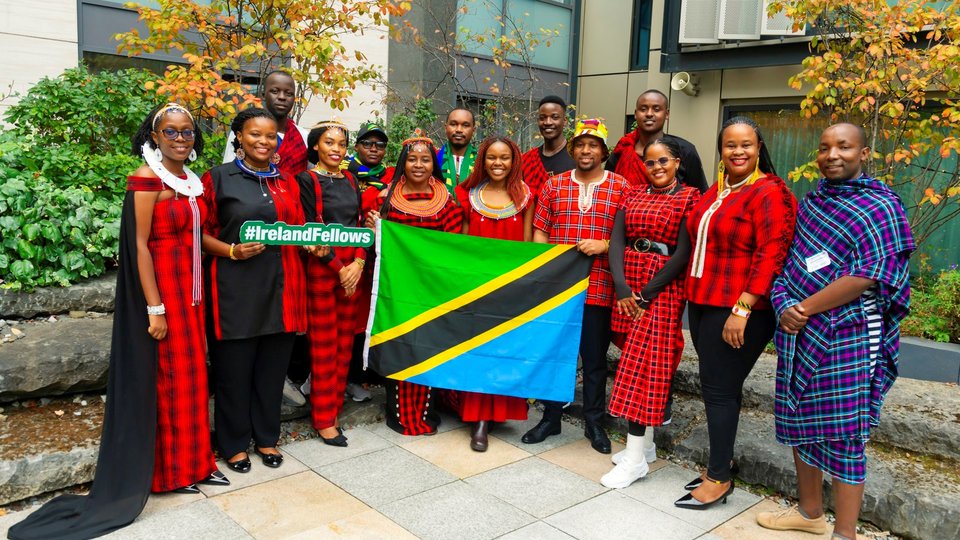
2025/2026 Ireland Fellows
Meet our 2025/2026 Ireland Fellows from Tanzania, the Seychelles and the Democratic Republic of Congo
Eligible countries:
Angola, Burundi, Democratic Republic of the Congo, Djibouti, Eritrea, Eswatini, Ethiopia, Ghana, Kenya, Lesotho, Liberia, Malawi, Mozambique, Nigeria, Rwanda, Senegal, Sierra Leone, Somalia, South Sudan, Sudan, Tanzania, Uganda, Zambia, Zimbabwe.
Eligible courses:
Agriculture, health, education, human rights, computer science, engineering, business and more, and are listed in a Directory of Eligible Programmes.
Eligibility
To be eligible for an Ireland Fellows Programme – Africa award commencing at the beginning of the academic year 2027, applicants must:
- Be a resident national of one of the countries listed under Eligible countries.
- For Burundi, please see both this document and the Courtney Fellowship page.
- For Nigeria, please see both this document and the Roger Casement Fellowship page.
- For Namibia, please see the Seán MacBride Fellowship page.
- For South Africa, please see the Kader Asmal Fellowship page.
- For Zambia, please see both this document and the Frank Ferguson Fellowship page.
- For African SIDS (Cabo Verde, Comoros, Guinea-Bissau, Mauritius, Seychelles, Sao Tomé and Príncipe), please see the Ireland-SIDS Fellows page.
- Have a minimum of two or three years’ substantial work experience that is directly relevant to your proposed programme(s) of study, depending on the country (see Page 8 for details).
- Hold a bachelor’s level academic qualification from an accredited and government-recognised higher education institution, with a minimum grade point average of 3.0 (4.0 scale) – i.e. a first class honour, or second class honour, Grade 1 (a second class honour Grade 2 may be accepted if the applicant has substantial directly relevant work experience). It must have been awarded in 2015 or later (i.e. within the last 12 years).
- Not already hold a qualification at master’s level or higher (Note: Candidates from Senegal should contact the Embassy of Ireland in Dakar; Candidates from Liberia should contact Embassy of Ireland in Monrovia on this – see Page 7). Not currently undertaking a programme at master’s level or higher, or be due to start a programme at master’s level or higher in the academic year 2026/27.
- Be applying to commence a new programme at master’s level in Ireland no sooner than August 2027.
- Be able to demonstrate the following: leadership abilities and aspirations; a commitment to the achievement of the SDGs within your own country; and a commitment to contribute to building positive relationships with Ireland. Have identified and selected three programmes relevant to your academic and professional background from the Directory of Eligible Programmes Ireland Fellows Programme
- Have a clear understanding of the academic and English language proficiencies required for all programmes chosen.
- Must not have applied to the Ireland Fellows Programme on more than one previous occasion.
- Be in a position to take up the Fellowship in the academic year 2027/2028.
In addition, applications are by invitation only in the following countries: Burundi, Democratic Republic of the Congo, Eswatini, Eritrea, Kenya, Liberia, Malawi, Sierra Leone, Somalia, Sudan, Zambia. This means that fellowships in these countries are restricted to the staff of government departments and NGOs which work in partnership with Irish Aid, and to personnel of organisations that are aligned with Irish Aid's development strategy in their country which have already been identified by the Embassy of Ireland. Applications from outside these partnerships will not be eligible.
To find out if you are eligible to apply, please contact the relevant Embassy of Ireland or your employer.
The Fellowship covers the recipient only. Financial support or visas for spouses or dependents are not included within the scope of the programme.
Applications
Please read the Applicant Guidance Note carefully before completing as eligibility criteria may differ from country to country.
The application process consists of three stages:
- Preliminary Application
- Detailed Application
- Interviews.
English language requirements
Irish higher education institutions require a high standard of English language proficiency and this will be verified by English language testing. This is necessary for admission to all Irish HEIs, with no exceptions. English language tests are also required for visa applications.
If successful in stage 1, shortlisted applicants who do not yet have the English language certification required for their master’s programmes in Ireland will take the Duolingo English Test. This test is accepted by most higher education institutions in Ireland. However, if you are shortlisted as a candidate or reserve candidate, and your course or HEI does not accept DuoLingo, then you will be required to take an IELTS exam in January 2027.